
Hope's Journey
The Hope Foundation began in December 1995 in Middlesbrough when our founder, Sue Kearney, saw something that needed to change. People leaving prison had little to no support when returning to their communities, and many felt they had no choice but to fall back into old patterns. Sue knew this didn’t have to be the case.
At the time, computers were just starting to become part of everyday life. Sue saw how learning these skills could offer new opportunities and help people find their purpose. Hope began with a few computers and a simple, powerful idea: to help people build confidence and skills and give them the chance to start again with a renewed sense of purpose.
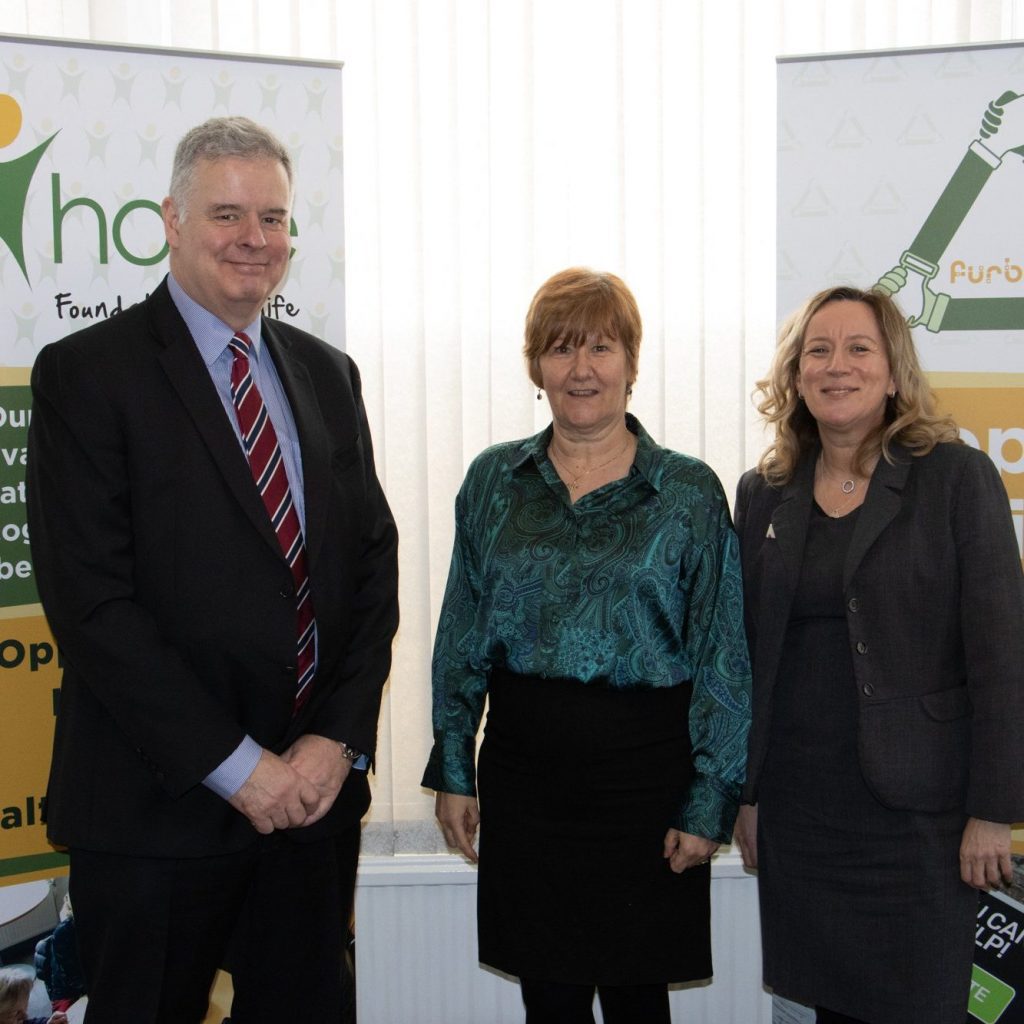
In those early days, the pool table was just as important as the computers. People gathered around it, shared stories, and found understanding in a way that felt natural. These conversations built trust and a sense of community long before “wellbeing” was even a common word.
As Hope grew, it became a place for anyone who felt left behind, people facing addiction, mental health struggles, unemployment, and isolation. Over the years, Hope has supported thousands of people, helping them learn maths, English, and digital skills. But more than that, it’s been a place where people feel valued, their strengths are recognised, and they’re given the tools to move forward with confidence.
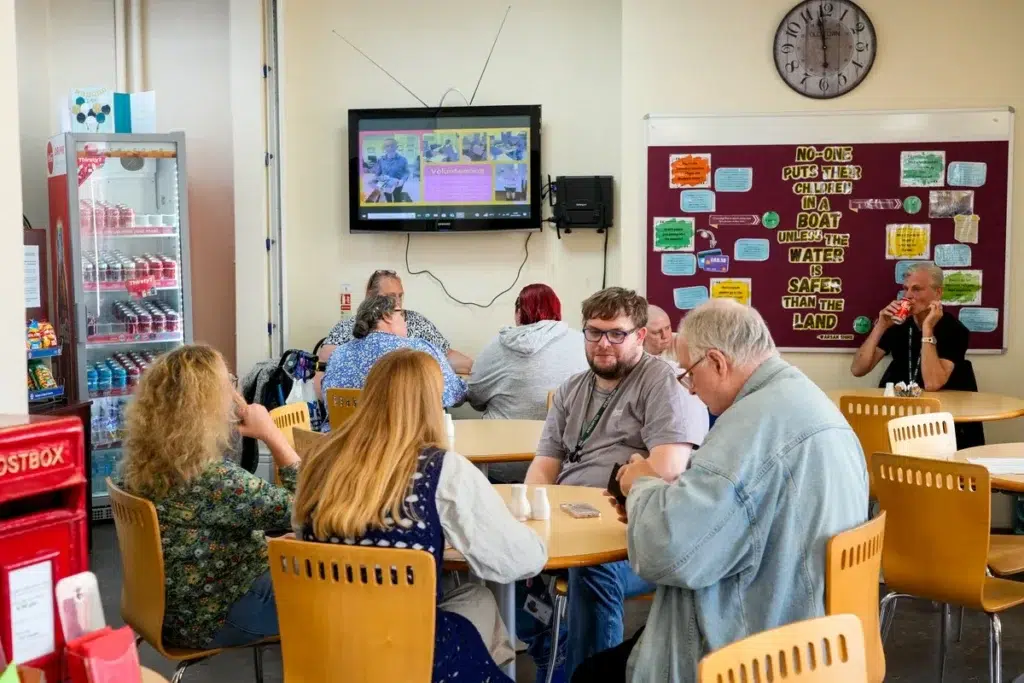
As more of everyday life moved online, it became clear that skills alone were not always enough. Many people were being locked out simply because they did not have access to the right technology. This is where furbd grew from.
Today, although Hope House has closed, our mission continues through furbd. Our focus is on reducing the digital divide by getting refurbished devices out into the community, while also creating supported work placements where people can learn by doing.
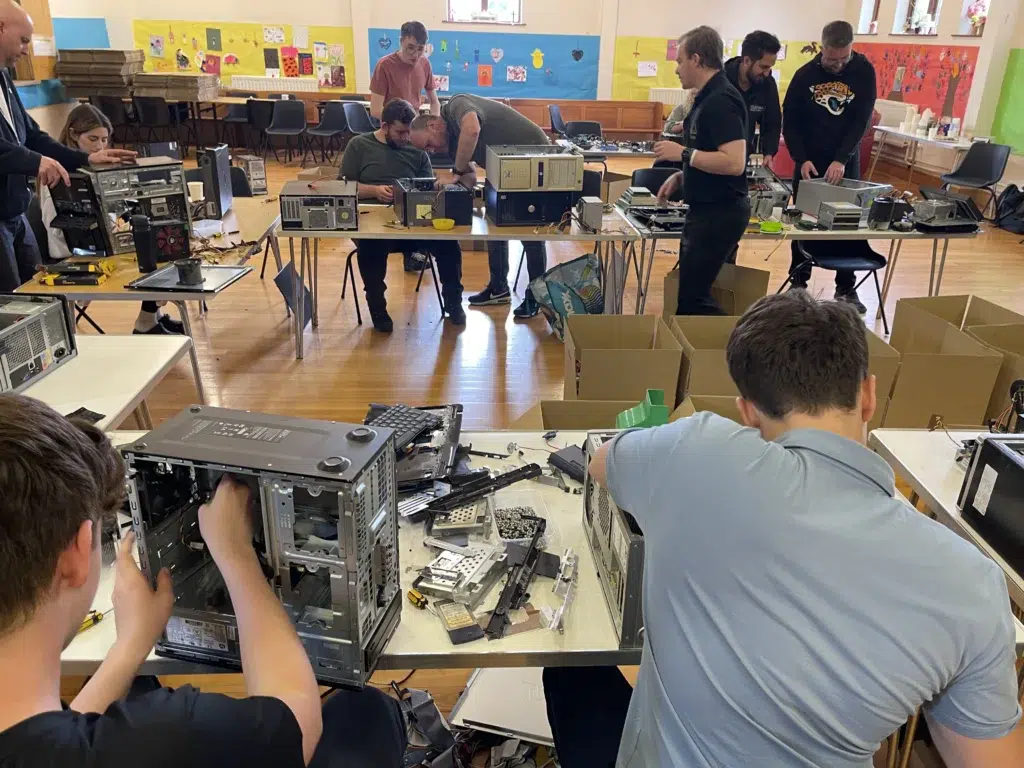
Only 16% of neurodiverse adults are in full-time work, which is why furbd is committed to providing a working environment where everyone in the team feels comfortable to be themselves. Through furbd, staff, students and volunteers are supported through hands on placements refurbishing technology, gaining real skills, confidence, routine, and work experience in a calm, safe and supportive environment
Teesside is one of the most digitally excluded regions in the UK. By working with trusted local partners, furbd helps ensure refurbished devices reach people who need them most, while those refurbishing the tech gain confidence, experience, and a sense of purpose.
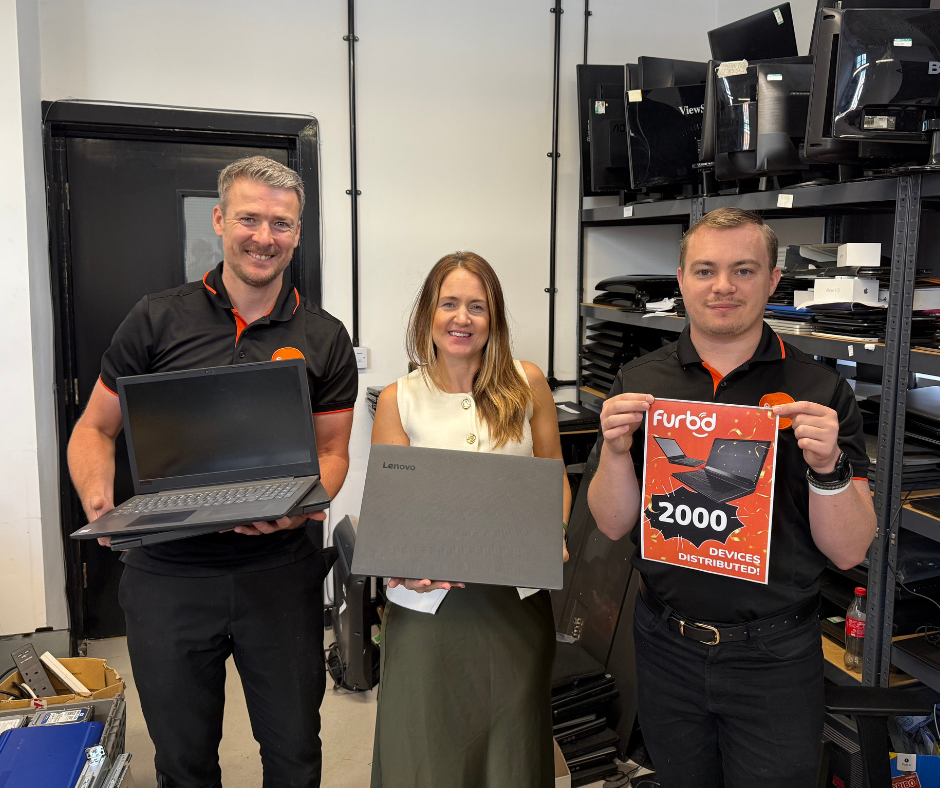
Hope may look different today, but its heart has not changed. Through furbd, we continue to build community, recognise strengths, and help people gain the confidence and tools to shape their own future.